A properly sized heating system in Clermont moves air at a calculated rate, matches its output to the square footage it serves, and holds a target temperature without short-cycling. Getting all of those factors right at the moment of installation is what separates a system that runs quietly for fifteen years from one that struggles, wastes energy, and wears out early. At All Pro Cooling and Heating, heating installation starts with measurement and calculation long before any equipment arrives on site.
Why Heating Installation in Clermont Needs a Local Approach
Clermont sits in the rolling hill country of Lake County, where winter brings a mix of mild days and sharp overnight cold snaps. The climate here does not demand the heavy-duty furnaces found in northern states, but it does reward equipment chosen specifically for a subtropical setting. Most homes and businesses in the area rely on heat pumps, which pull warmth from outside air even on cool mornings and reverse their operation to cool during the long warm season. A heating system installed here must perform double duty across a wide temperature range.
Because Clermont properties vary so much — from newer subdivisions near Highway 50 to older homes closer to the lakes — no single installation plan fits every building. We size each system to the structure it serves, accounting for insulation levels, window placement, ceiling height, ductwork condition, and the direction the home faces. A unit that is too large will heat quickly and shut off, cycling on and off in a way that stresses components and leaves rooms unevenly warm. A unit that is too small will run constantly and still fall short on cold nights. Correct sizing is the foundation of every installation we perform.
The Stages of a Professional Heating Installation
A heating installation is a sequence of careful steps, and skipping any one of them creates problems that surface months or years later. We follow a consistent process on every job so that the finished system performs exactly as designed.
- Load calculation: We measure the building and run a heat-load analysis to determine the exact heating capacity required, expressed in BTUs, so the equipment matches the space.
- Equipment selection: We recommend a heat pump, furnace, or hybrid system based on the calculation, your budget, and your efficiency goals.
- Ductwork inspection: We check existing ducts for leaks, blockages, and poor sizing, because even a perfect unit cannot deliver comfort through failing ductwork.
- Removal and preparation: We disconnect and remove the old system, then prepare the mounting location, electrical connections, and refrigerant lines.
- Installation and connection: We set the new equipment, connect the lines and wiring, and seal every joint to prevent energy loss.
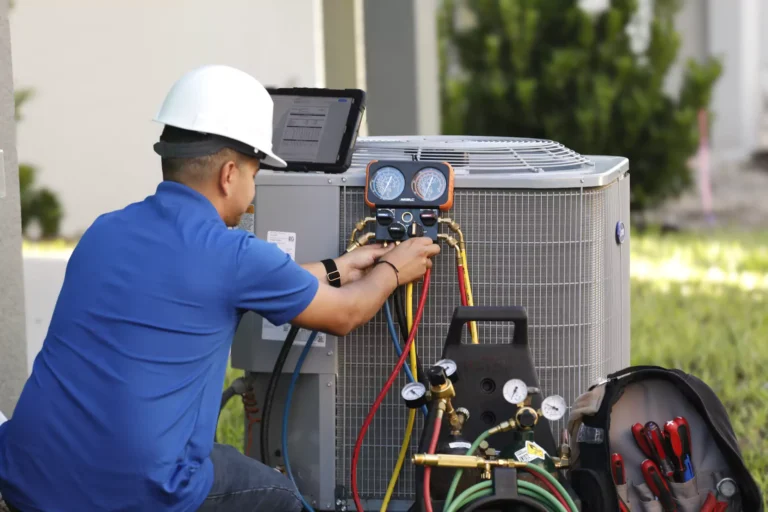
- Startup and testing: We charge the system, verify airflow, confirm the thermostat communicates correctly, and measure temperature output at the registers.
Each of these stages builds on the one before it. The load calculation drives the equipment choice, the ductwork condition affects how that equipment performs, and the final testing confirms that everything matches the original design. We document the results so you have a clear record of how your system was set up.
Choosing the Right Heating Equipment
The most common choice for Clermont homes is a heat pump, and for good reason. A heat pump handles both heating and cooling with a single piece of equipment, which simplifies maintenance and lowers the overall cost of owning a comfort system. Modern heat pumps use variable-speed compressors that adjust their output to match demand, running at low speed during mild weather and ramping up only when a cold front pushes temperatures down. This approach uses less energy and keeps indoor temperatures far more stable than older single-stage units.
For properties that need stronger heating performance, we also install dual-fuel or hybrid systems that pair a heat pump with a gas furnace. The heat pump handles the majority of the work during Clermont’s mild winter, and the furnace takes over during the coldest stretches when it operates more efficiently. We walk you through the tradeoffs of each option so you understand what you are buying and why it suits your building.
Efficiency ratings matter in this decision. Heat pumps carry a SEER2 rating for cooling and an HSPF2 rating for heating, and higher numbers mean lower operating costs over the life of the equipment. While a higher-rated unit often costs more upfront, the energy savings across a hot Central Florida summer and a mild winter frequently justify the difference. At All Pro Cooling and Heating, we help you weigh these factors honestly rather than pushing the most expensive model on the shelf.
Technical Details That Determine Long-Term Performance
A heating installation is only as good as the details behind the visible equipment. Refrigerant charge, for example, must be set precisely to the manufacturer’s specification. An overcharged or undercharged system loses capacity, wastes electricity, and shortens compressor life. We measure superheat and subcooling during startup to confirm the charge is correct rather than estimating by sight or sound.
Airflow is equally important. A system that cannot move the right volume of air cannot deliver its rated heating output no matter how well it is built. We verify static pressure in the ductwork, check that return air pathways are adequate, and adjust blower settings to match the design airflow. Undersized return ducts are one of the most common hidden problems we find, and correcting them during installation prevents years of poor comfort and high bills.
Electrical connections receive the same attention. We confirm that breaker sizing, wire gauge, and disconnect ratings all match the equipment requirements. Loose or undersized connections generate heat, trip breakers, and create safety hazards. By getting every technical specification right during installation, we build systems that run reliably from the first day.
Serving Homes and Businesses Across Central Florida
Our heating installation work spans both residential and commercial projects. The company was founded in 2019 by Marcos Ramos with a focus on the residential new construction market, and that early experience shaped how we approach installations in new and existing homes alike. In 2021, a partnership with Ken Demeiz brought deep commercial HVAC expertise into the business, allowing us to take on larger builds and more complex systems with the same attention to detail.
That combination means a homeowner in Clermont gets the same careful process as a commercial client managing a multi-unit building. Residential installations focus on quiet operation, even room-to-room comfort, and efficient use of space. Commercial installations add considerations like zoning for different occupancy areas, larger ductwork runs, and equipment that can handle heavier daily use. Our licensed and trained team handles both confidently, and we serve clients throughout Windermere, Winter Garden, Lake Nona, Dr. Phillips, Winter Park, Lake Mary, Oviedo, Clermont, Celebration, and Baldwin Park in addition to Clermont.
Support That Continues After Installation
Installing a heating system is the beginning of a long relationship, not the end of a transaction. We back our work and stand ready to help when you need us. Heating problems rarely wait for convenient hours, which is why we offer 24/7 emergency service for the systems we install and maintain. A cold snap that knocks out your heat on a weekend night does not have to mean waiting until Monday.
We also encourage regular maintenance after installation to protect your investment and keep efficiency high. A new heating system performs best when it is checked seasonally, and catching small issues early prevents larger failures later. At All Pro Cooling and Heating, our goal is to set the standard for what quality heating installation looks like in Clermont — and to be the team you call for every stage of your system’s life. When you are ready to plan your heating installation, reach out and we will start with the measurements and calculations that make everything else work.